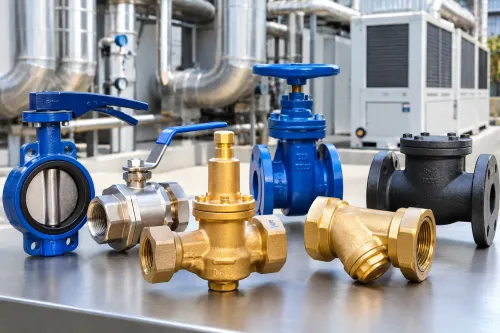
Pressure control components can have a significant effect on how building services and mechanical systems operate. Professionals searching for a BARASSOMATIC PRV are typically looking for a pressure-reducing solution suited to a specific piping requirement. Selecting the right product requires an understanding of system pressure, desired downstream conditions, flow demand, connection details, and intended application.
A pressure-reducing valve should not be selected solely because its nominal pipe size matches the existing line.
Understand the Purpose of a PRV
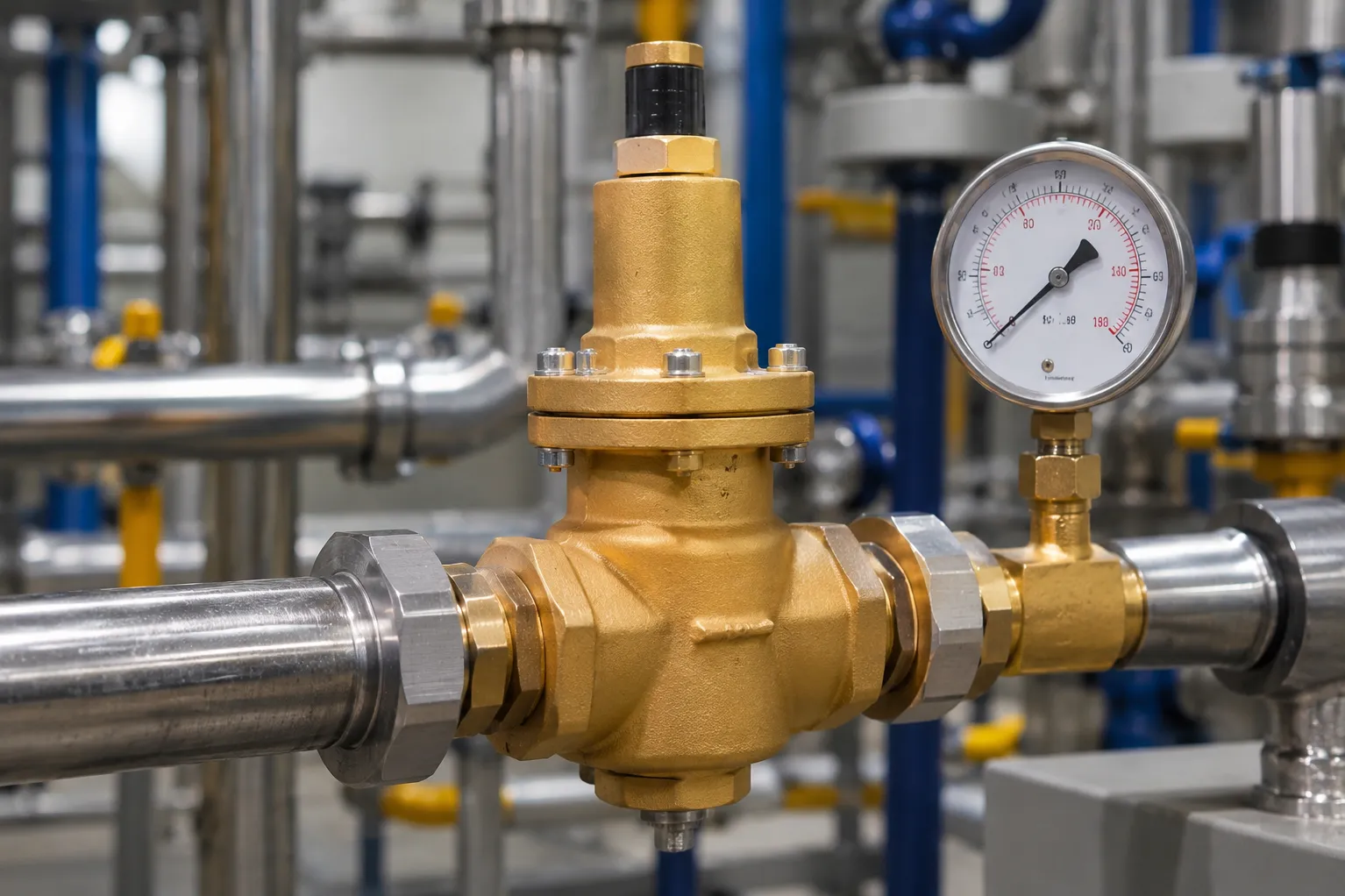
A pressure-reducing valve is intended to reduce higher inlet pressure to a controlled downstream pressure within the valve's specified operating capabilities.
This can be important where downstream equipment or piping needs pressure to remain within an appropriate range.
The actual system behaviour depends on factors such as incoming pressure, flow conditions, valve sizing, installation arrangement, and downstream demand.
Do Not Size From Pipe Diameter Alone
One of the most common procurement shortcuts is ordering a valve based only on line size.
That may not provide enough information.
The required flow rate and pressure conditions should be considered because an incorrectly selected valve may not provide the expected control characteristics.
Before purchasing, gather information including:
- Upstream pressure
- Required downstream pressure
- Expected flow
- Pipe size
- Connection type
- System medium
- Operating temperature
- Available installation space
These details provide a more useful technical basis for selection.
Installation Arrangement Matters
A valve works as part of a complete piping system.
Upstream strainers, isolation arrangements, pressure gauges, bypass requirements, straight pipe considerations, and service access may need to be considered depending on the system design.
The manufacturer's installation instructions and project specifications should be followed.
The valve should also be positioned where maintenance personnel can reach it safely.
Check Existing Systems Before Replacement
When a facility experiences pressure problems, the PRV may appear to be the obvious cause. Yet pressure variation can result from several conditions elsewhere in the system.
Before replacing an existing valve, technicians should check whether the issue involves blockage, incorrect adjustment, damaged components, changing inlet conditions, unsuitable sizing, or another piping problem.
Diagnosis can prevent an unnecessary replacement.
Procurement Needs Complete Information
Delhi has a large mix of commercial buildings, institutional properties, industrial facilities, and mechanical service projects. Each may have different pressure-control requirements.
Aircon Refrigeration Company works with contractors, facility managers, maintenance professionals, and procurement teams seeking HVAC and mechanical components for these applications.
When enquiring about a BARASSOMATIC PRV, buyers should share the available valve identification along with operating details. If replacing an existing product, clear photographs of the nameplate and connection arrangement can also be useful.
Pressure-reducing valves perform a specific control function. Correct selection therefore depends on much more than finding a product that fits between two pipes.
Understanding pressure conditions, flow demand, valve characteristics, and installation requirements can help project teams make a more informed procurement decision while reducing the likelihood of mismatched components reaching the site.
Keywords