Ordering valves for a live HVAC project involves more than preparing a quantity list. Incorrect pressure ratings, unsuitable connections, missing sizes, or unverified substitutions can delay piping work and create additional approval cycles. Procurement teams sourcing SANT VALVES can reduce these issues by preparing technical information before requesting a quotation.
This is particularly useful for MEP contractors and commercial HVAC projects in Delhi where several valve types may be required within the same mechanical package.
Prepare a Valve Schedule
A clear valve schedule gives both the buyer and supplier a common reference.
Depending on the project, it can include:
- Valve type
- Nominal size
- Quantity
- Pressure class
- Body material
- End connection
- Intended service
- Required accessories
- Project specification reference
If several systems are involved, separating the schedule by service can make checking easier.
Confirm What Each Valve Must Do
Valves should be selected according to their function.
Isolation, regulation, reverse-flow prevention, drainage, and other duties may require different valve designs.
Procurement teams should avoid treating valves with the same diameter as interchangeable products.
A 50 mm valve required for one function may have a completely different specification from another 50 mm valve elsewhere in the same plant room.
Check Connection Requirements
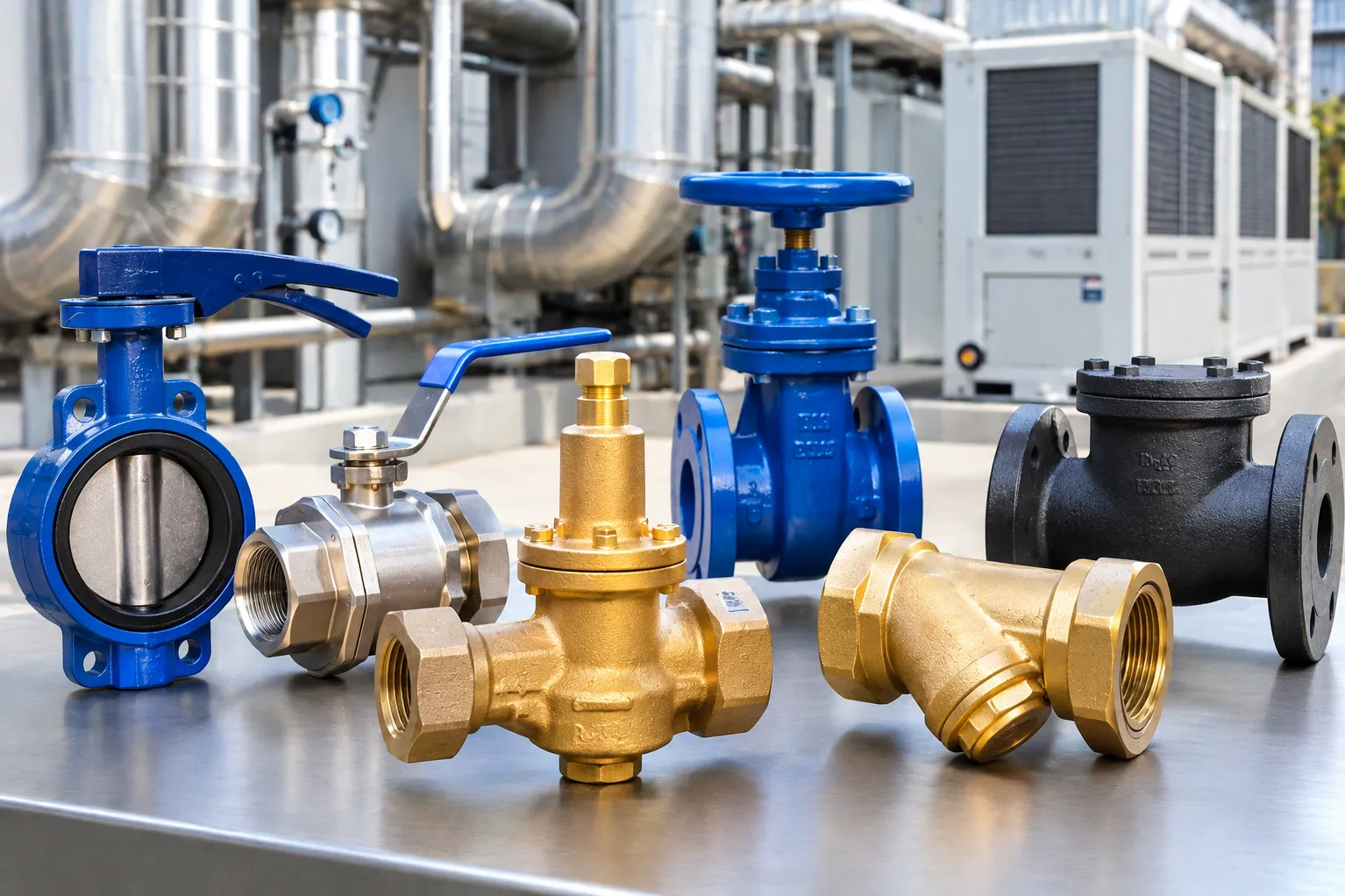
Flanged, threaded, wafer-type, or other connection arrangements affect installation.
A mismatch can become apparent only after the material reaches the project site, particularly when procurement teams work from incomplete BOQs.
Before ordering SANT VALVES, compare the valve schedule with piping drawings and approved specifications.
Review Pressure Class Carefully
Pressure rating is a technical requirement, not simply a product description.
The selected valve should be appropriate for the system's design and operating conditions.
Temperature and service medium may also affect suitability.
Where project consultants have issued an approved specification, procurement should remain aligned with it unless an authorized substitution is approved.
Ask About Availability Before Site Demand Peaks
Mechanical installation schedules can change quickly.
Waiting until technicians need the valve immediately can create unnecessary pressure on procurement teams.
For projects around Delhi, buyers can identify long-lead or less commonly stocked sizes early and coordinate supply accordingly.
This is especially useful where a project requires multiple valve categories rather than one standard item.
Verify Products at Receipt
Material checking should continue when the order arrives.
The receiving team should compare supplied items against the purchase order and approved specification.
Check relevant markings, size, quantity, connection type, visible condition, and supplied documentation where required.
Any discrepancy should be identified before installation begins.
Choose a Supplier That Understands Technical Enquiries
Aircon Refrigeration Company serves HVAC contractors, refrigeration businesses, facility teams, and procurement professionals in Delhi seeking components for installation and maintenance requirements.
A useful supplier conversation should go beyond asking, “Which size do you need?”
The provider should be able to work from a clear requirement and help buyers identify available product options without replacing engineering approval or project specifications.
For procurement professionals, supplier readiness is largely about reducing uncertainty. A complete valve schedule, clear technical specification, realistic delivery planning, and proper receipt inspection can make SANT VALVES procurement more controlled from enquiry through installation.
Keywords