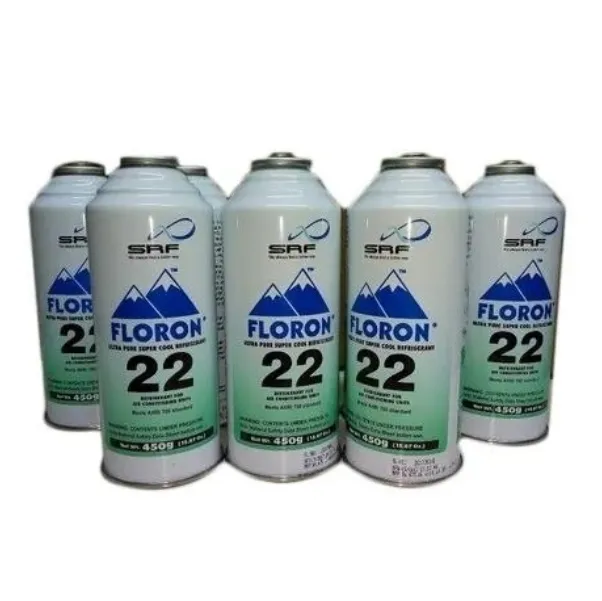
Many commercial and residential air conditioning systems installed over the past few decades were designed to operate with Refrigerant Gas R-22. Although newer refrigerants have become more common in recently manufactured equipment, thousands of existing HVAC and refrigeration systems continue to rely on R-22 for efficient cooling. For contractors, facility managers, and maintenance professionals, understanding how to select and handle R-22 correctly is essential for maintaining older installations safely and efficiently.
In Delhi, many commercial buildings, retail outlets, educational institutions, and industrial facilities still operate legacy HVAC systems. Choosing the right refrigerant and following proper servicing practices helps extend equipment life while maintaining reliable performance.
Understanding Refrigerant Gas R-22
R-22 is a hydrochlorofluorocarbon (HCFC) refrigerant that has been widely used in air conditioning and refrigeration systems for many years. It circulates through the refrigeration cycle by absorbing heat from indoor spaces and releasing it outdoors, allowing the system to maintain the required cooling temperature.
Although newer equipment is designed for alternative refrigerants, R-22 remains relevant for servicing compatible systems already in operation.
Where Refrigerant Gas R-22 Is Commonly Used
R-22 is typically found in older cooling equipment, including:
- Split air conditioning systems
- Packaged air conditioning units
- Commercial refrigeration equipment
- Cold storage applications
- Process cooling systems
- Rooftop HVAC units
Before carrying out any servicing, technicians should confirm that the equipment is specifically designed for R-22.
Factors to Consider Before Purchasing R-22
Selecting the correct refrigerant involves more than checking the product label. Several factors should be evaluated before procurement.
These include:
- Equipment compatibility
- Required refrigerant quantity
- Cylinder quality
- Product authenticity
- Storage conditions
- Compliance with applicable regulations
Purchasing refrigerant from an established supplier helps reduce the risk of contamination or inconsistent product quality.
Safe Handling Practices
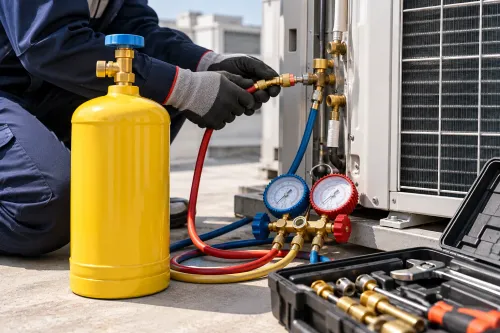
Refrigerants should always be handled by trained professionals using appropriate equipment.
Recommended practices include:
- Wear suitable protective equipment.
- Use calibrated charging tools.
- Check for leaks before recharging.
- Recover refrigerant during servicing.
- Store cylinders in a cool, ventilated location.
- Avoid exposing cylinders to excessive heat.
These precautions help improve workplace safety while protecting HVAC equipment.
Common Signs a System May Require Inspection
A reduction in cooling performance does not always indicate low refrigerant levels, but it should never be ignored.
Possible warning signs include:
- Reduced cooling capacity
- Longer operating cycles
- Ice formation on refrigerant lines
- Unusual operating pressures
- Increased energy consumption
A qualified HVAC technician should investigate the underlying cause before adding refrigerant.
Storage and Transportation Guidelines
Proper storage helps maintain refrigerant quality and improves safety during handling.
Best practices include:
- Keep cylinders upright.
- Protect containers from direct sunlight.
- Secure cylinders during transportation.
- Store away from ignition sources.
- Inspect cylinders before use.
Following these guidelines helps minimise accidental damage and supports safe workplace practices.
Importance of Professional Servicing
Servicing an R-22 system requires specialised knowledge, suitable recovery equipment, and accurate charging procedures. Incorrect servicing may reduce system efficiency or damage important components such as compressors and expansion devices.
Routine inspections that include pressure testing, leak detection, temperature measurements, and refrigerant charge verification help maintain consistent cooling performance throughout the equipment's service life.
Selecting a Reliable Supplier
For HVAC contractors and maintenance professionals in Delhi, sourcing refrigerant from dependable suppliers contributes to consistent servicing standards. Many businesses obtain Refrigerant Gas R-22 from experienced distributors such as Aircon Refrigeration Company, ensuring compatibility with existing HVAC and refrigeration systems.
Selecting the correct Refrigerant Gas R-22 and following proper handling procedures helps maintain dependable cooling performance while supporting the safe operation of legacy HVAC equipment.
Keywords